
Health & Wellness
Developing healthy habits to last a lifetime.
Finding balance is at the core of well-being. At Overlake, students learn how to balance school and life through five fundamental pillars we call SPACE; Social well-being, Physical well-being, Academic/Intellectual well-being; Community well-being, and Emotional well-being.
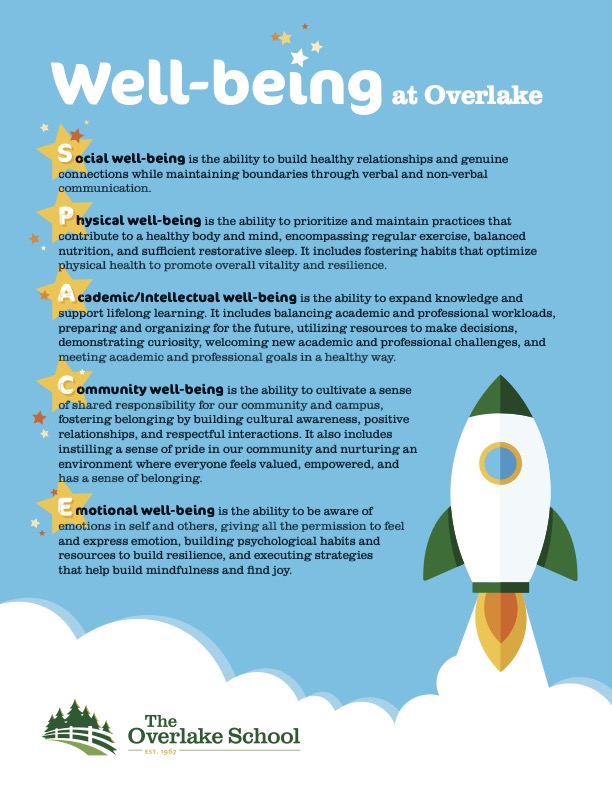
SPACE definition
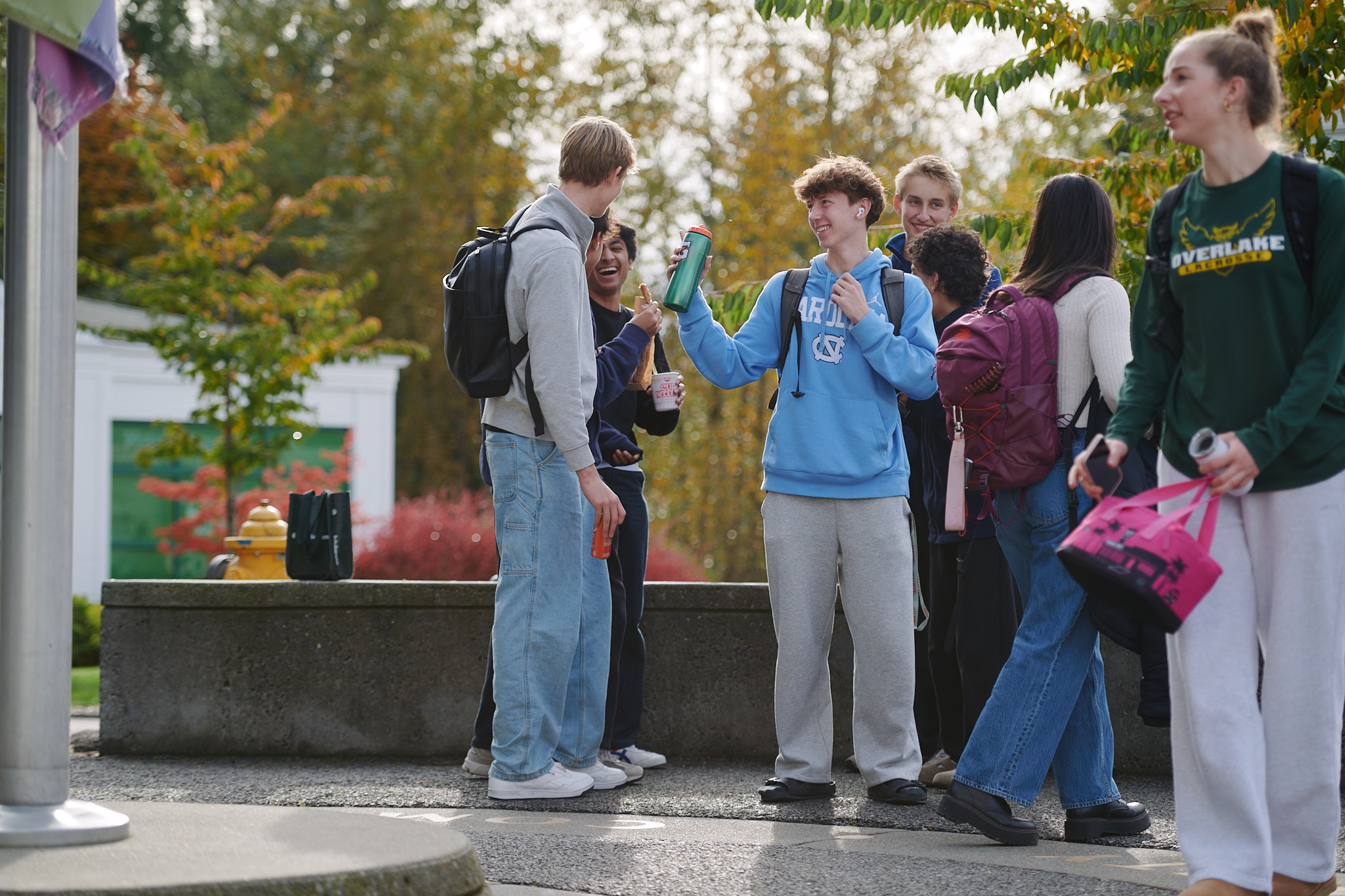
Social well-being is the ability to build healthy relationships and genuine connections while maintaining boundaries through verbal and non-verbal communication.
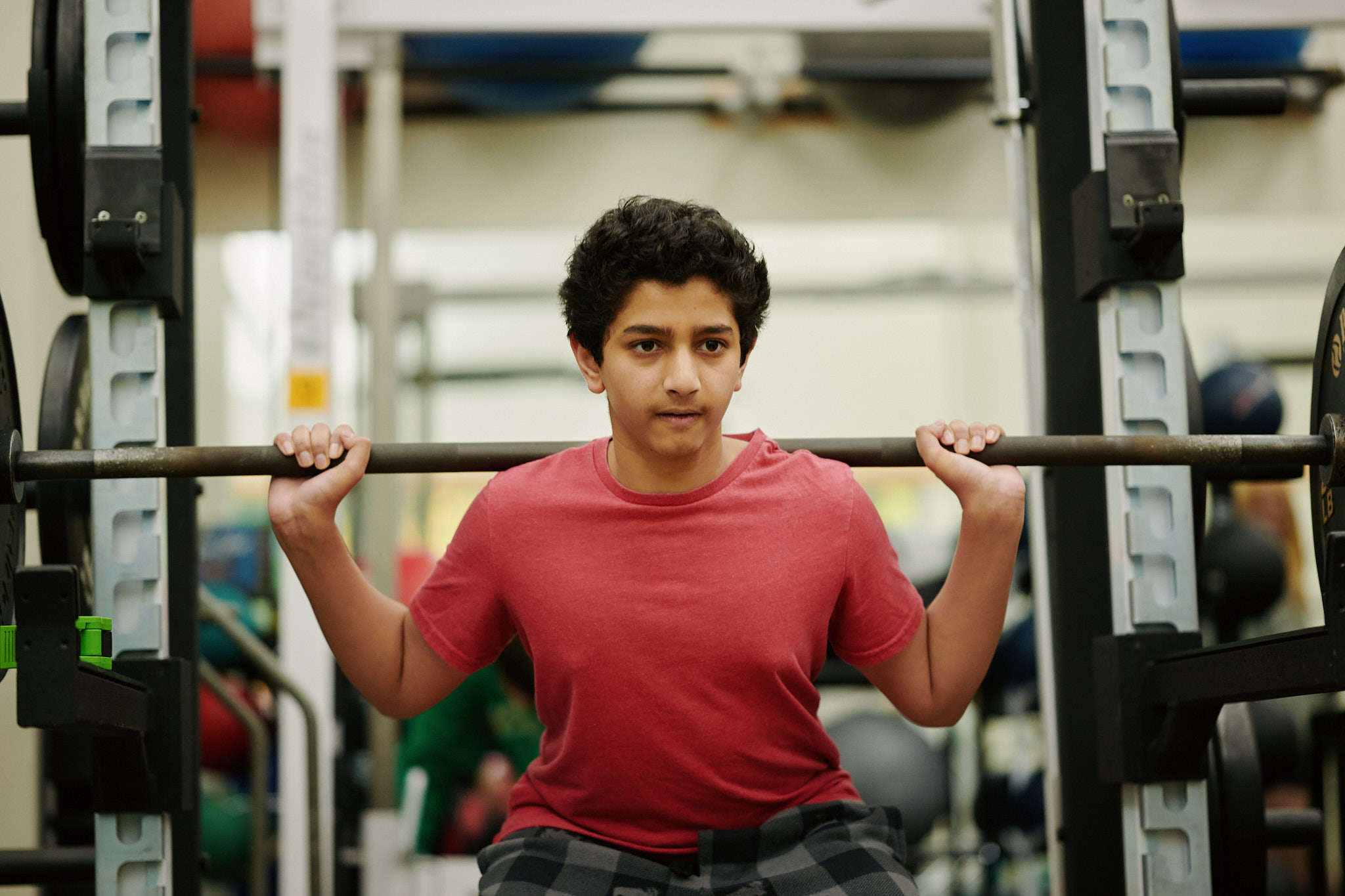
Physical well-being is the ability to prioritize and maintain practices that contribute to a healthy body and mind, encompassing regular exercise, balanced nutrition, and sufficient restorative sleep. It includes fostering habits that optimize physical health to promote overall vitality and resilience.
Academic/Intellectual well-being is the ability to expand knowledge and support lifelong learning. It includes balancing academic and professional workloads, preparing and organizing for the future, utilizing resources to make decisions, demonstrating curiosity, welcoming new academic and professional challenges, and meeting academic and professional goals in a healthy way.
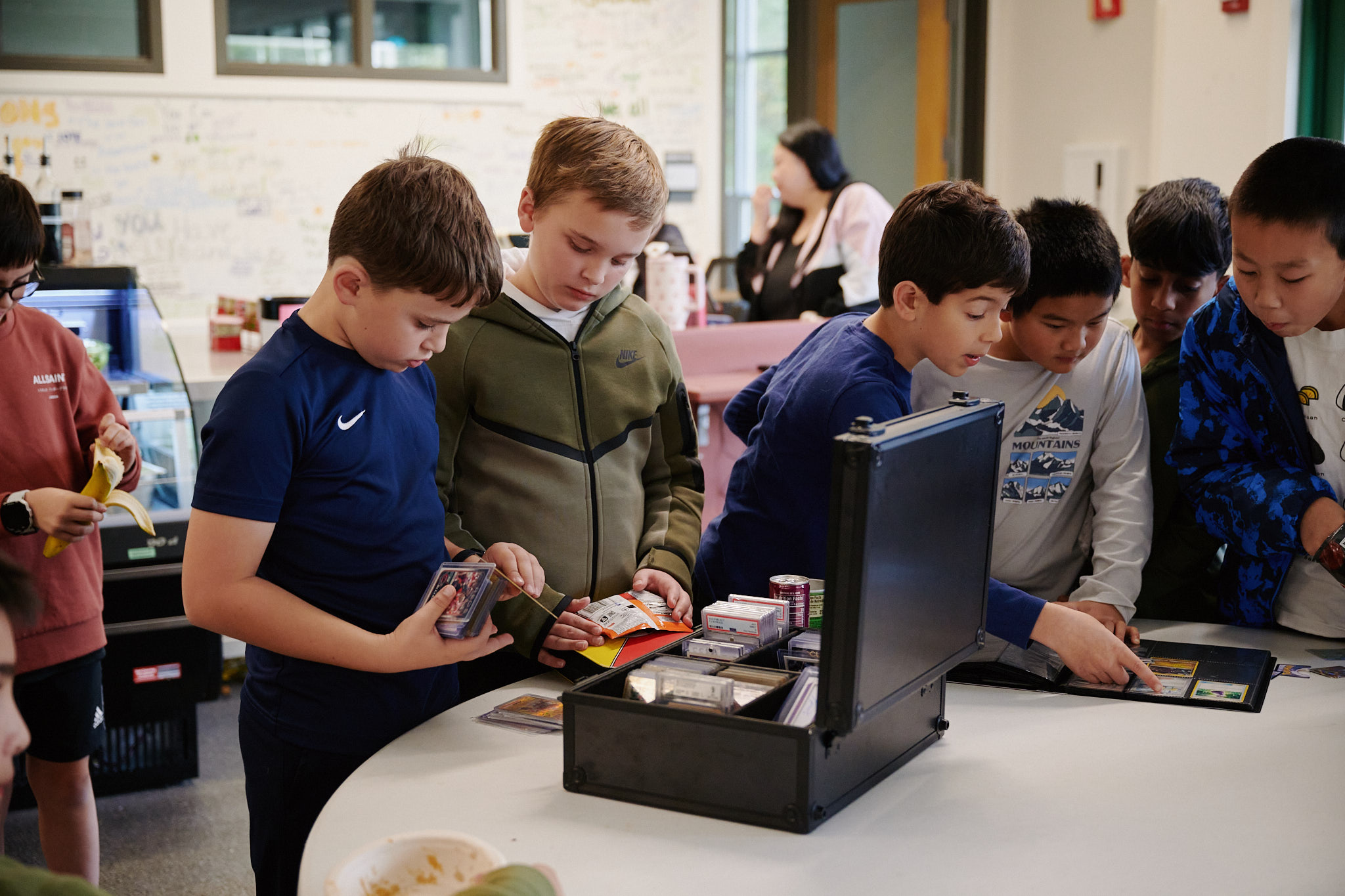
Community well-being is the ability to cultivate a sense of shared responsibility for our community and campus, fostering belonging by building cultural awareness, positive relationships, and respectful interactions. It also includes instilling a sense of pride in our community and nurturing an environment where everyone feels valued, empowered, and has a sense of belonging.
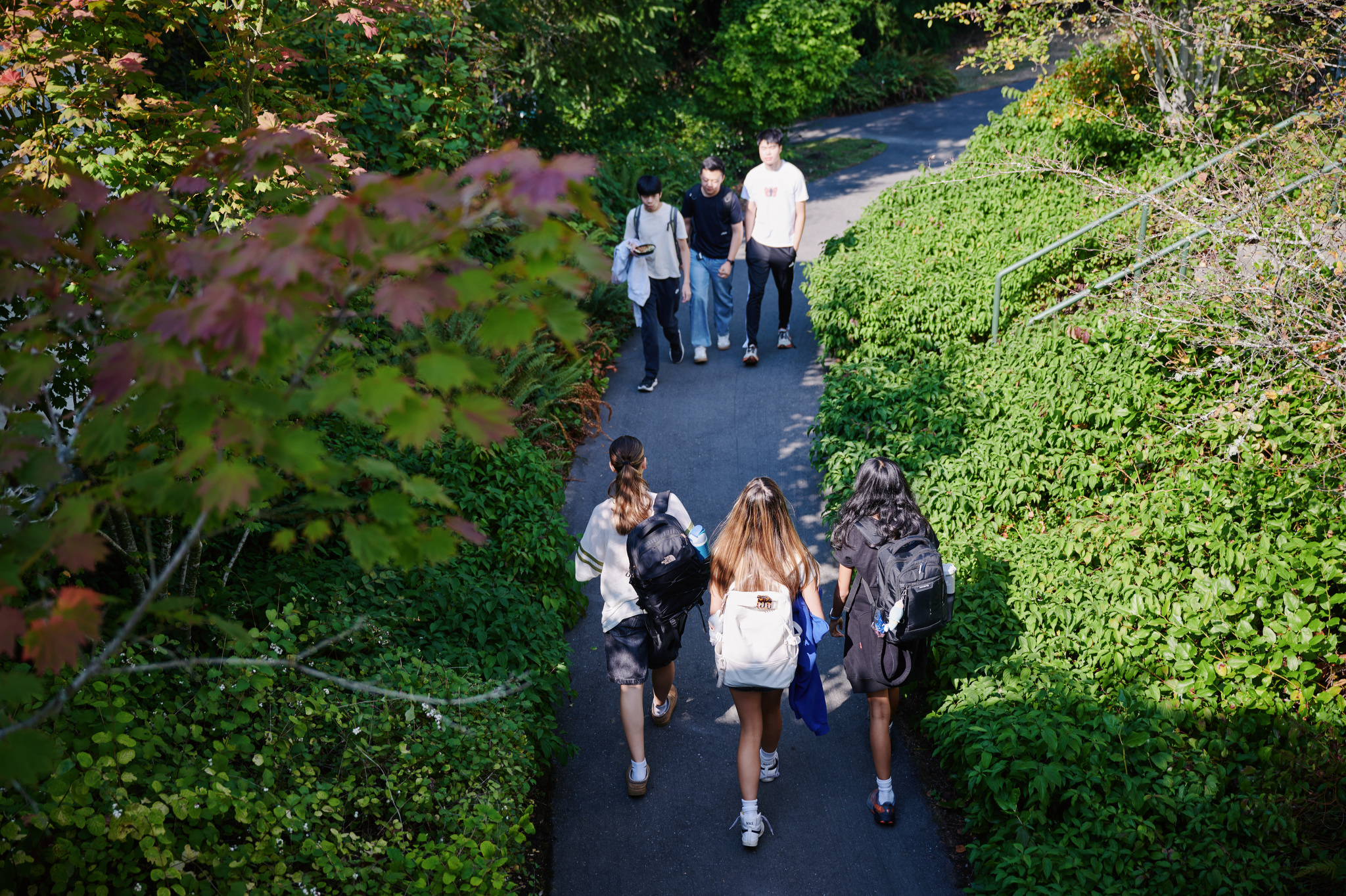
Emotional well-being is the ability to be aware of emotions in self and others, giving all the permission to feel and express emotion, building psychological habits and resources to build resilience, and executing strategies that help build mindfulness and find joy.
Practicing well-being
Like anything, the more you practice, the better you become. The same is true for wellness. At Overlake, students participate in workshops designed to foster healthy practices. They learn to manage their digital devices for better boundaries; they discover mindfulness exercises to build physical well-being; and they develop time management skills to strengthen academic well-being.