At Overlake, cultural responsiveness isn't extra; it's essential.
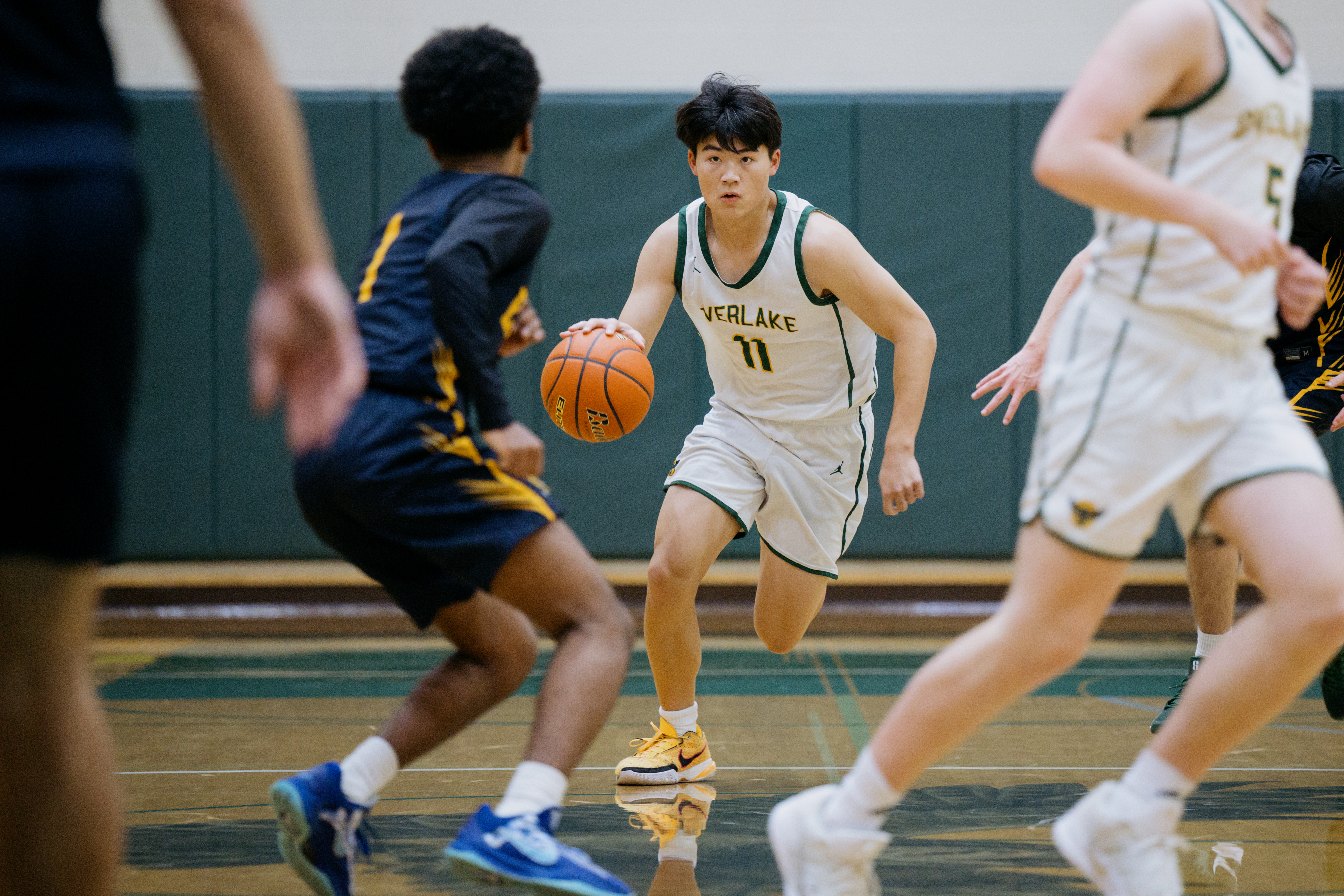
boys basketball
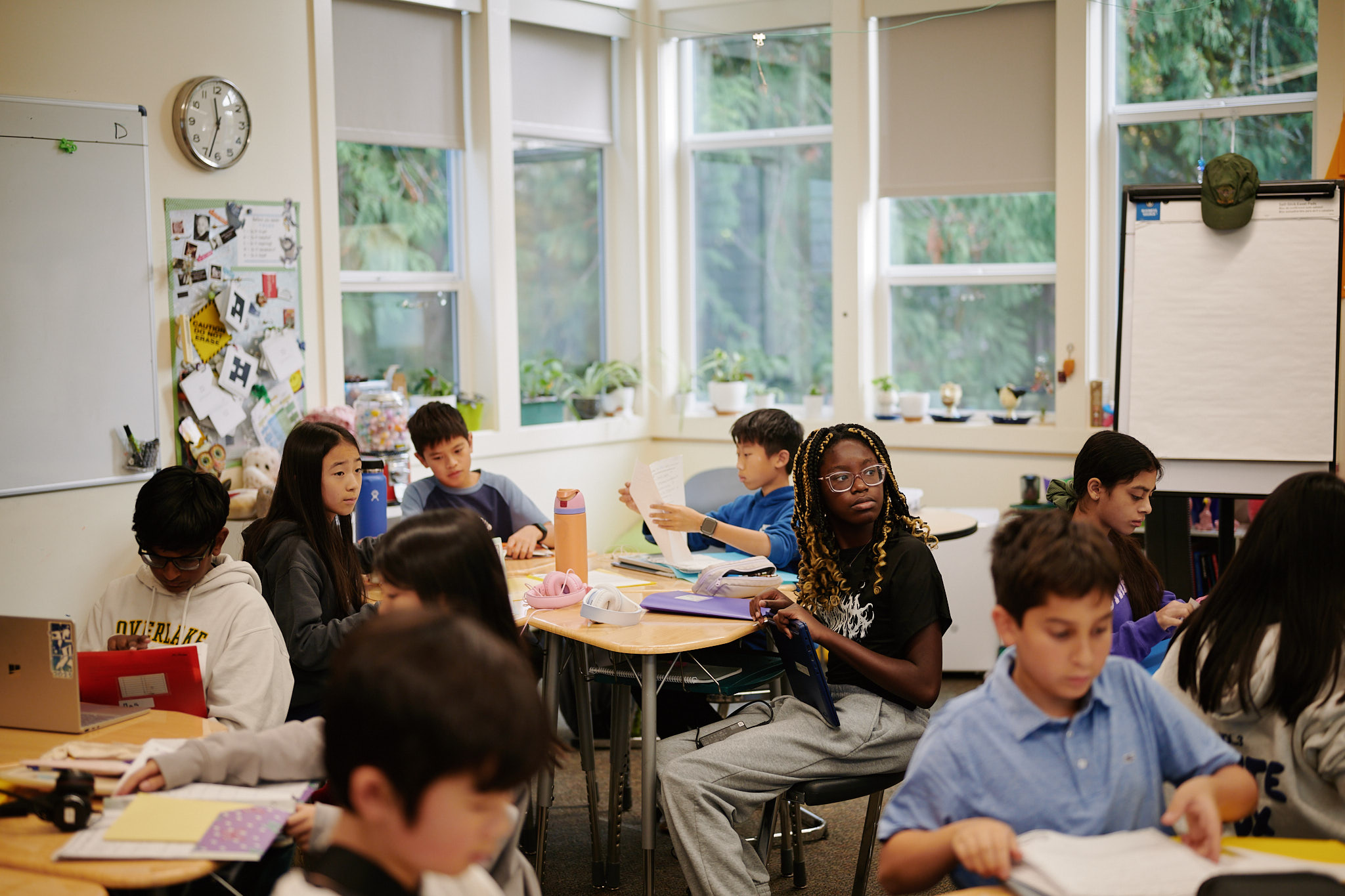
middle school classroom
Identity and belonging are vital to who we are.

At Overlake, we believe diversity strengthens our community and readies students to interact impactfully in our interconnected, complex world. This is evident in our programming, which reflects varied traditions, cultures, and perspectives. We're steadfast about creating a welcoming environment where every student, family, and employee feels they belong. Check out our Dashboard to see the diversity within our community.

Diversity and inclusion shape everything we do at Overlake. We integrate identity development and cultural responsiveness directly into our curriculum, classroom conversations, and community programs. This isn't a separate initiative or optional add-on. It's woven into the fabric of our teaching at every grade level, preparing students to understand themselves and engage openly with others in an increasingly diverse society.

We're committed to honoring the traditions and practices of our community members and ensuring that students feel seen, heard, and valued at Overlake.

Shared values amongst different backgrounds.
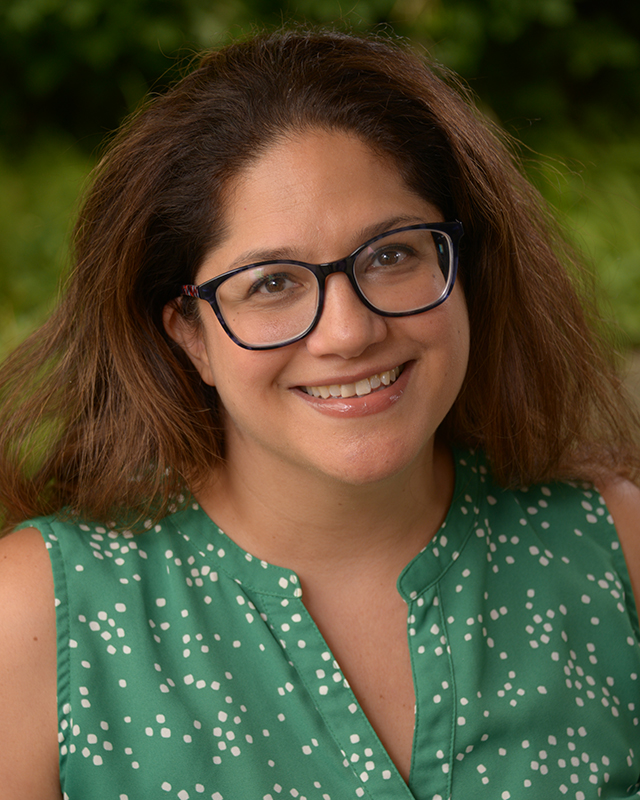
Bensadon Dr. Debbie Bensadon Assistant Head of School for Inclusive Excellence

Debbie Bensadon is Overlake's first Assistant Head of School for Inclusive Excellence. Her role oversees the Experiential Education program, Information and Literacy, and inclusive practices. She examines the frameworks our students learn within, identifying areas of opportunity in both curriculum and day-to-day practices for students to become planning-forward individuals, build self-study habits, and increase their executive functioning skills and strategies. In a faculty and staff-facing role, she equips our educators with the tools to help our students graduate not just with a grasp of subject matter, but a deep understanding of the ethical complexities and nuances attached to their fields of study. 

When a student encounters a problem in their field of interest, whether it's political or technology, or medicine, I'd love for them to already have a framework that's thinking about the ethical and inclusive complexities.

For example, when encountering an engineering problem, our students will learn to think beyond the mechanics of the solution, which can probably already be solved by AI. Overlake students, however, will have the skills to think critically and develop solutions that account for complexity, and therefore serve a broader audience and purpose. 

Who to Contact

Debbie Bensadon, Ph.D.

Assistant Head of School for Inclusive Excellence dbensadon@overlake.org 425-602-7076